ブログ記事より抜粋
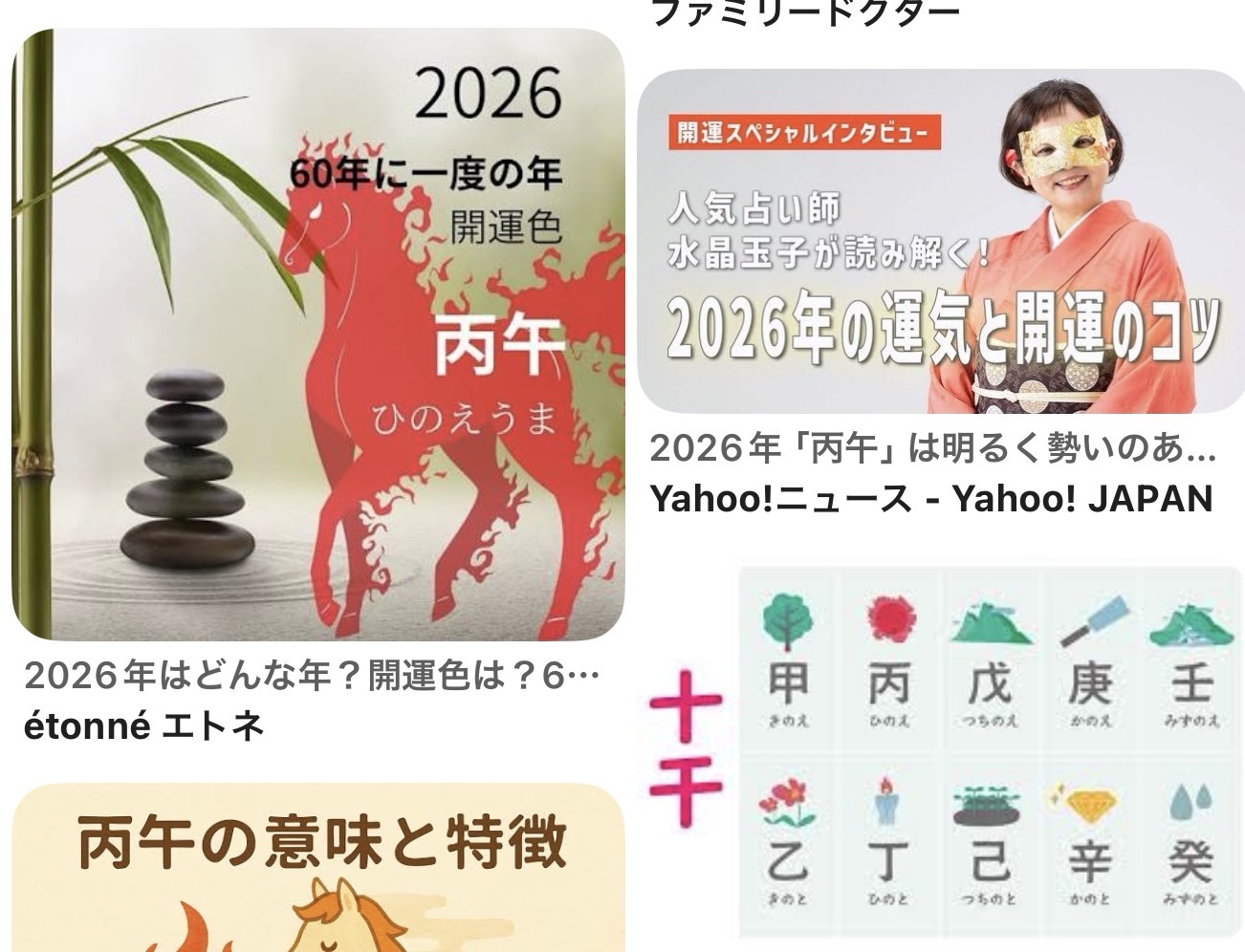
2026年、令和8年は、丙午(ひのえうま)です。英語で説明すると
① まず一文で説明(シンプル版)
Hinoe-uma is a year in the traditional Japanese calendar, corresponding to the Fire Horse in the sexagenary cycle, which combines the element fire and the zodiac sign horse.
② 少し詳しい説明(文化背景つき)
Hinoe-uma (丙午) refers to a specific year in Japan’s traditional sexagenary cycle, which is based on a combination of the Five Elements and the Twelve Zodiac animals.
It represents the combination of fire (丙) and horse (午), and occurs once every 60 years.
③ なぜ特別視されるのか(重要ポイント)
In Japanese folklore, people born in a Hinoe-uma year were traditionally believed to have a strong and fiery personality, especially women.
Because of old superstitions, it was once thought that women born in such a year would be too strong-willed and might bring misfortune to their husbands.
④ 歴史的影響(1966年の例)
As a result of this belief, Japan saw a sharp drop in the birth rate in 1966, the most recent Hinoe-uma year, as some families postponed having children to avoid that year.
⑤ 現代的な補足(誤解を避けるため)
Today, Hinoe-uma is generally viewed as a cultural or historical concept rather than a serious belief, and the superstition is widely considered outdated.
⑥ 会話で使える自然な説明(ネイティブ向け)
“Hinoe-uma is a year in the old Japanese calendar known as the Fire Horse year. It comes once every 60 years and was traditionally considered unlucky, especially for women born that year—but nowadays it’s mostly seen as folklore.”
⑦ 超短縮版(TOEIC・ニュース英語向け)
Hinoe-uma: a Fire Horse year in the traditional Japanese calendar, historically associated with superstition.
–
単語・熟語 発音記号 意味
Hinoe-uma /ˌhɪnoʊ.eɪ ˈuːmə/ 丙午
traditional /trəˈdɪʃənl/ 伝統的な
calendar /ˈkælɪndər/ 暦、カレンダー
correspond to /ˌkɔːrəˈspɑːnd tuː/ ~に対応する
Fire Horse /ˈfaɪər hɔːrs/ 火の馬(丙午)
sexagenary cycle /sɛkˈsædʒəˌnɛri ˈsaɪkl/ 十干十二支の60年周期
combine /kəmˈbaɪn/ 組み合わせる
element /ˈɛlɪmənt/ 要素
zodiac sign /ˈzoʊdiˌæk saɪn/ 十二支の動物
refer to /rɪˈfɜːr tuː/ ~を指す
specific /spəˈsɪfɪk/ 特定の
be based on /biː ˈbeɪst ɑːn/ ~に基づく
Five Elements /faɪv ˈɛlɪmənts/ 五行
Twelve Zodiac animals /twɛlv ˈzoʊdiˌæk ˈænɪməlz/ 十二支
represent /ˌrɛprɪˈzɛnt/ 表す
occur /əˈkɜːr/ 起こる
folklore /ˈfoʊkˌlɔːr/ 民間伝承
traditionally /trəˈdɪʃənəli/ 伝統的に
be believed to /biː bɪˈliːvd tuː/ ~と信じられている
strong-willed /ˌstrɔːŋˈwɪld/ 意志の強い
superstition /ˌsuːpərˈstɪʃn/ 迷信
misfortune /ˌmɪsˈfɔːrtʃuːn/ 不幸
birth rate /ˈbɜːrθ reɪt/ 出生率
sharp drop /ʃɑːrp drɑːp/ 急激な減少
postpone /poʊˈspoʊn/ 延期する
avoid /əˈvɔɪd/ 避ける
view A as B /vjuː/ AをBと見なす
outdated /ˌaʊtˈdeɪtɪd/ 時代遅れの
be associated with /əˈsoʊsieɪtɪd wɪð/ ~と関連づけられる
① シンプル版
丙午とは、日本の伝統的な暦における一年で、十干十二支の60年周期の中の「火の馬」に対応する年であり、火の要素と馬の干支を組み合わせたものです。
② 文化背景つき説明
丙午(ひのえうま)とは、日本の伝統的な十干十二支の暦における特定の一年を指します。
これは五行と十二支の組み合わせに基づいており、火(丙)と馬(午)の組み合わせを表し、60年に一度巡ってきます。
③ なぜ特別視されるのか
日本の民間伝承では、丙午の年に生まれた人、特に女性は、意志が強く情熱的な性格を持つと伝統的に信じられてきました。
古い迷信の影響で、その年に生まれた女性は気が強すぎて夫に不幸をもたらすのではないかと考えられていた時代もありました。
④ 歴史的影響
この信仰の結果、直近の丙午の年である1966年には、日本では出生率が大きく落ち込み、丙午を避けるために出産を延期した家庭もありました。
⑤ 現代的な見方
現在では、丙午は深刻な迷信というより、文化的・歴史的な概念として捉えられており、その迷信は時代遅れだと広く考えられています。
⑥ 会話向け説明
丙午とは、日本の古い暦における「火の馬」の年のことです。60年に一度巡ってきて、昔は縁起が悪いと考えられていましたが、今では主に民間伝承として見られています。
⑦ 超短縮版
丙午とは、日本の伝統的な暦における「火の馬」の年で、歴史的に迷信と結びついてきたものです。
-語彙クイズ(10問)
What does sexagenary cycle mean?
Which word means「~に基づく」?
What is the meaning of folklore?
Choose the synonym of occur.
What does strong-willed describe?
Which word means「出生率」?
What is the meaning of postpone?
Which phrase means「~と見なす」?
What does outdated imply?
Which word refers to「迷信」?
-TOEIC形式問題(5問)
Q1. Hinoe-uma occurs once every ( ).
A. 12 years
B. 30 years
C. 60 years
D. 100 years
Q2. The superstition caused many families to ( ) having children.
A. promote
B. postpone
C. prevent
D. allow
Q3. Today, Hinoe-uma is mainly seen as a ( ) concept.
A. scientific
B. political
C. cultural
D. economic
Q4. A “sharp drop” in birth rate means the birth rate ( ).
A. increased slightly
B. remained stable
C. decreased suddenly
D. changed slowly
Q5. The phrase “be associated with” is closest in meaning to ( ).
A. be divided by
B. be unrelated to
C. be connected to
D. be replaced by
-読解問題(英語・3問)
Q1. Why was Hinoe-uma traditionally considered unlucky, especially for women?
Q2. What real social effect did the Hinoe-uma belief have in 1966?
Q3. How do people generally view Hinoe-uma today?
...