Enjoy Simple English 26/1/6(火)落語 田能久
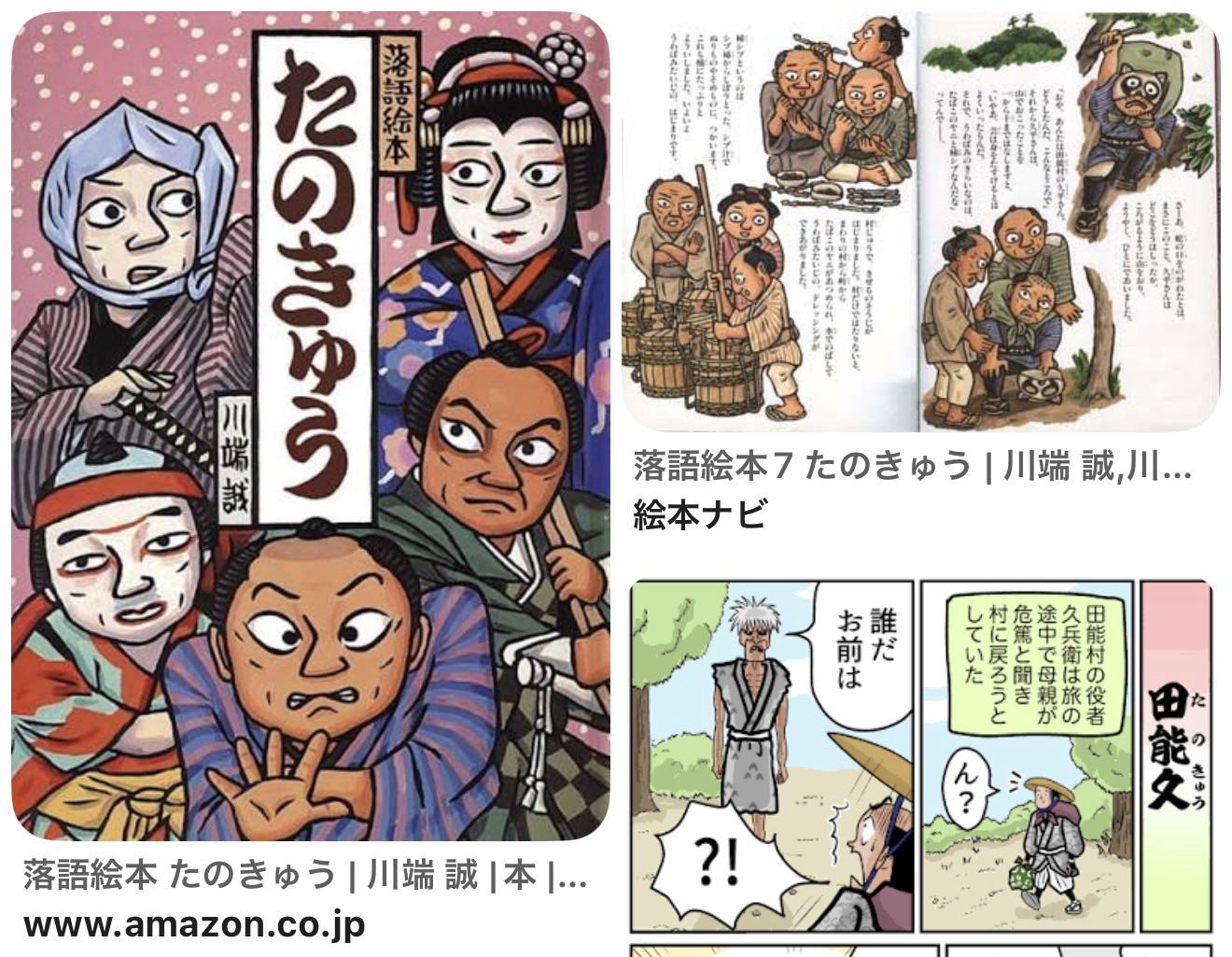
“Tanokyū (The Story of Tanokyū)” explained in English Tanokyū is a traditional Japanese rakugo story.
It is a humorous folktale about a tanuki (a raccoon dog) who is very good at shapeshifting. Tanokyū is a talented performer who can quickly change his appearance and become different people, such as an old man, a woman, or a samurai.
One day, while traveling, he loses his wallet and has no money. Forced to walk through the night, he takes shelter in an old house in the mountains.
There, he meets a strange old man who turns out to be a snake that can also transform into human form. The snake admits that he eats people, but Tanokyū cleverly claims that he is a tanuki and shows off his amazing transformations. Impressed, the snake decides not to eat him, and the two become friends. They begin to talk about their secrets and fears.
The snake confesses that he is afraid of cigarette smoke because it can make him very sick or even kill him. Tanokyū says that he is afraid of money because it causes trouble and makes people demand things from him.
After leaving the house, Tanokyū betrays the snake by telling the villagers the snake’s weakness. The villagers drive the snake away by blowing cigarette smoke. Later, the snake returns, angry and weak, and takes revenge by throwing money at Tanokyū, knowing it is his fear. The story is funny, ironic, and slightly dark. It teaches a moral lesson about betrayal, trust, and the consequences of using others’ secrets for personal gain, which is a common theme in rakugo storytelling.
traditional /trəˈdɪʃənl/ 伝統的な
rakugo /ˈrɑːkuːɡoʊ/ 落語
humorous /ˈhjuːmərəs/ ユーモアのある
folktale /ˈfoʊkteɪl/ 民話
tanuki /təˈnuːki/ タヌキ
raccoon dog /ræˈkuːn dɔːɡ/ タヌキ(英語説明)
shapeshifting /ˈʃeɪpˌʃɪftɪŋ/ 変身能力
talented /ˈtæləntɪd/ 才能のある
performer /pərˈfɔːrmər/ 演者
appearance /əˈpɪrəns/ 外見
while traveling /waɪl ˈtrævəlɪŋ/ 旅をしている間に
forced to /fɔːrst tuː/ ~せざるを得ない
take shelter /teɪk ˈʃeltər/ 避難する、身を寄せる
turn out to be /tɜːrn aʊt tuː biː/ ~だと分かる
transform into /trænsˈfɔːrm ˈɪntuː/ ~に変身する
admit /ədˈmɪt/ 認める
cleverly /ˈklevərli/ 巧みに
show off /ʃoʊ ɔːf/ 見せびらかす
impressed /ɪmˈprest/ 感心した
confess /kənˈfes/ 告白する
afraid of /əˈfreɪd əv/ ~を恐れて
cigarette smoke /ˌsɪɡəˈret smoʊk/ タバコの煙
demand /dɪˈmænd/ 要求する
betray /bɪˈtreɪ/ 裏切る
weakness /ˈwiːknəs/ 弱点
drive away /draɪv əˈweɪ/ 追い払う
take revenge /teɪk rɪˈvendʒ/ 復讐する
ironic /aɪˈrɑːnɪk/ 皮肉な
moral lesson /ˈmɔːrəl ˈlesn/ 教訓
consequences /ˈkɑːnsɪkwensɪz/ 結果、報い
personal gain /ˈpɜːrsənl ɡeɪn/ 私利私欲
theme /θiːm/ 主題
「たのきゅう(Tanokyū)」の英語による説明
たのきゅうは、日本の伝統的な落語の物語である。
タヌキ(英語ではラクーンドッグ)が主人公の、ユーモアあふれる民話だ。
たのきゅうは非常に才能のある芸人で、すばやく姿を変え、老人や女性、侍など、さまざまな人物になることができる。ある日、旅の途中で財布をなくし、お金がなくなってしまう。やむを得ず一晩中歩き、山の中の古い家に身を寄せる。
そこで彼は奇妙な老人に出会うが、その正体は人間に変身できるヘビだった。ヘビは人を食べることを認めるが、たのきゅうは自分がタヌキだと巧みに名乗り、見事な変身を披露する。それに感心したヘビは、彼を食べるのをやめ、二人は友だちになる。
やがて二人は互いの秘密や恐れているものを話し合う。ヘビはタバコの煙を恐れており、病気になったり死んだりする可能性があると告白する。一方、たのきゅうは、お金を持つと人から要求されて困るため、お金が怖いと話す。
家を出た後、たのきゅうはヘビの弱点を村人に話してしまう。村人たちはタバコの煙でヘビを追い払う。後に、怒りと弱り切ったヘビが戻り、たのきゅうの恐れを知ったうえで、お金を投げつけて復讐する。
この物語は、面白く、皮肉が効いており、やや暗い要素もある。他人の秘密を私利私欲のために使うことの結果、裏切りや信頼といったテーマを教訓として描いており、これは落語によく見られる主題である。
-語彙クイズ(10問)
folktale の意味は?
shapeshifting とは何ができること?
take shelter はどんな行動?
turn out to be の意味は?
show off は良い意味?悪い意味?
confess は何をすること?
betray の意味は?
weakness は物語の中で何を指す?
take revenge の意味は?
personal gain に最も近い日本語は?
-TOEIC形式問題(5問)
Q1. Tanokyū is described as a ___ performer.
A. careless
B. talented
C. weak
D. nervous
Q2. The phrase “turns out to be” means:
A. changes clothes
B. appears suddenly
C. is discovered to be
D. runs away
Q3. Why does the snake decide not to eat Tanokyū?
A. He feels sick
B. He is afraid of money
C. He is impressed by Tanokyū’s skills
D. He wants to leave the house
Q4. The villagers drive the snake away by ___.
A. throwing money
B. blocking the road
C. blowing cigarette smoke
D. chasing him at night
Q5. The main moral of the story focuses on ___.
A. wealth and success
B. nature and animals
C. trust and betrayal
D. travel and adventure
-読解問題(英語・3問)
How does Tanokyū avoid being eaten by the snake?
What role do secrets play in the development of the story?
Why is the ending described as ironic?
...