ラジオ英会話 26/2/2(月)L201 限定詞
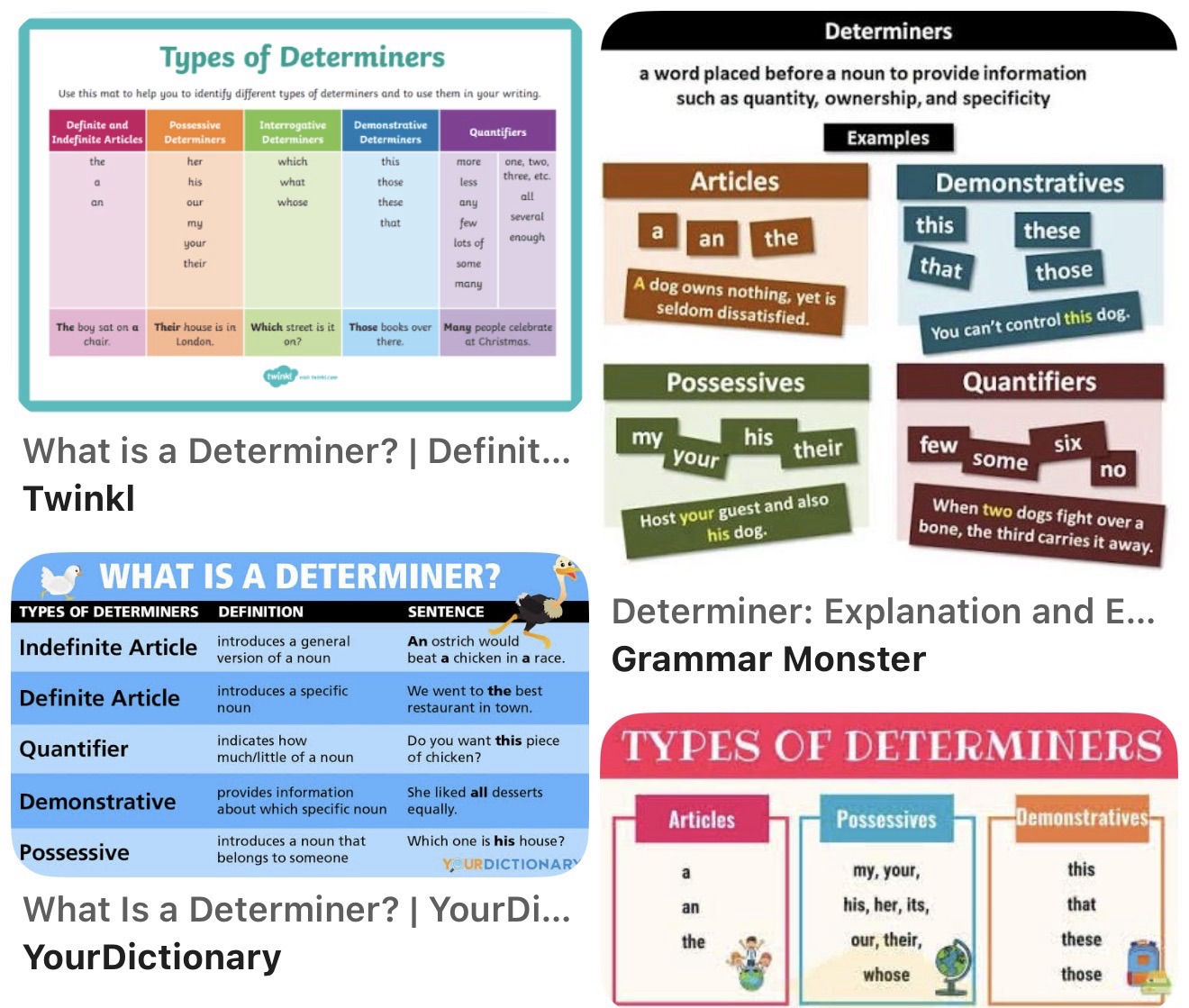
Determiners are “pointing words” that provide context for nouns. Articles ($a$, $an$, and $the$) are the most common type of determiner in the English language.
They tell the listener whether you are talking about something specific or something general.
- The Relationship: Determiners vs. Articles
Think of “Determiner” as the name of the big family, and “Article” as one of the siblings. All articles are determiners, but not all determiners are articles.
[Image showing the relationship between determiners and articles] -
The Two Types of Articles
A. Indefinite Articles ($a$, $an$)
Use these when you are talking about something in general, or for the first time. It means “one of many.”
A: Used before words starting with a consonant sound.
a cat, a house, a university (The “u” sounds like “y,” a consonant).
An: Used before words starting with a vowel sound.
an apple, an elephant, an hour (The “h” is silent, so it starts with the “o” sound).
B. Definite Article ($the$)
Use this when both the speaker and the listener know exactly which noun is being discussed.
Specific thing: “Can you give me the keys?” (The specific keys to the car/house).
Second mention: “I saw a movie. The movie was great.” (It becomes specific because I already mentioned it).
Unique things: The sun, the moon, the internet. -
How to Choose: The Article Flowchart
To decide which article to use, you have to ask two questions:
Is the noun singular or plural/uncountable?
Is it specific or general?
–
単語・熟語 発音記号 意味
determiner /dɪˈtɜːrmɪnər/ 限定詞
pointing words /ˈpɔɪntɪŋ wɜːrdz/ 指し示す語
provide /prəˈvaɪd/ 提供する
context /ˈkɑːntɛkst/ 文脈、状況
noun /naʊn/ 名詞
article /ˈɑːrtɪkəl/ 冠詞
the English language /ði ˈɪŋɡlɪʃ ˈlæŋɡwɪdʒ/ 英語
listener /ˈlɪsənər/ 聞き手
specific /spəˈsɪfɪk/ 特定の
general /ˈdʒɛnərəl/ 一般的な
relationship /rɪˈleɪʃənʃɪp/ 関係
think of A as B /θɪŋk əv/ AをBと考える
big family /bɪɡ ˈfæməli/ 大きな分類
sibling /ˈsɪblɪŋ/ 兄弟・姉妹
indefinite article /ɪnˈdɛfɪnɪt ˈɑːrtɪkəl/ 不定冠詞
definite article /ˈdɛfɪnɪt ˈɑːrtɪkəl/ 定冠詞
for the first time /fɔːr ðə fɜːrst taɪm/ 初めて
one of many /wʌn əv ˈmɛni/ 多くの中の1つ
consonant sound /ˈkɑːnsənənt saʊnd/ 子音の音
vowel sound /ˈvaʊəl saʊnd/ 母音の音
silent /ˈsaɪlənt/ 発音されない
speaker /ˈspiːkər/ 話し手
be discussed /dɪˈskʌst/ 話題にされる
second mention /ˈsɛkənd ˈmɛnʃən/ 2回目の言及
unique /juːˈniːk/ 唯一の
flowchart /ˈfloʊˌtʃɑːrt/ フローチャート
decide /dɪˈsaɪd/ 決める
singular /ˈsɪŋɡjələr/ 単数の
plural /ˈplʊrəl/ 複数の
uncountable /ʌnˈkaʊntəbl/ 不可算の
限定詞(determiners)とは、名詞に対して文脈を与える「指し示す言葉」です。
冠詞(a、an、the)は、英語において最も一般的な限定詞の一種です。
限定詞は、話している対象が特定のものなのか、一般的なものなのかを聞き手に伝えます。
- 限定詞と冠詞の関係
「限定詞」を大きな家族の名前、「冠詞」をその中の兄弟の一人だと考えてください。
すべての冠詞は限定詞ですが、すべての限定詞が冠詞というわけではありません。 -
冠詞の2つの種類
A. 不定冠詞(a, an)
一般的なものについて話すとき、または初めて話題に出すときに使います。
意味は「たくさんある中の1つ」です。
a:子音の音で始まる語の前
a cat, a house, a university
(university の u は「ユ」の音で、子音扱い)
an:母音の音で始まる語の前
an apple, an elephant, an hour
(hour の h は発音されず、母音の音で始まる)
B. 定冠詞(the)
話し手と聞き手の両方が、どの名詞かをはっきり分かっているときに使います。
特定のもの
Can you give me the keys?
(車や家の「その鍵」)
2回目の言及
I saw a movie. The movie was great.
(一度出たので特定される)
唯一のもの
the sun, the moon, the internet
- 冠詞の選び方:フローチャート
どの冠詞を使うか決めるには、次の2つの質問をします。
名詞は 単数 か 複数/不可算 か?
特定 のものか、一般的 なものか?