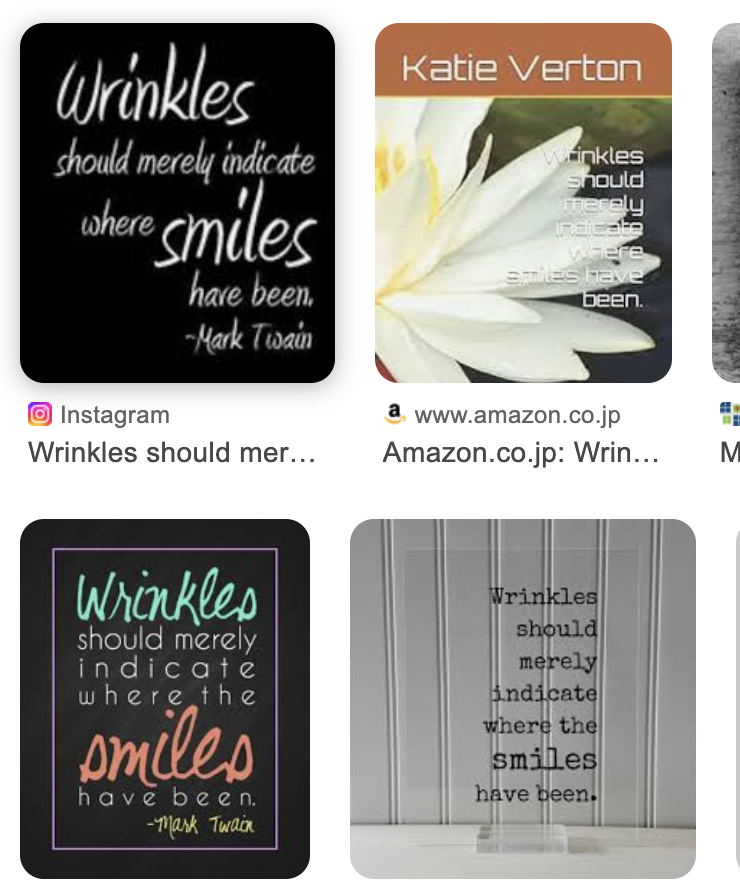
基礎英語2 26/3/5(木)L204(4) They say wrinkles show where the smiles have been.
They say wrinkles show where the smiles have been.
This is a beautiful and poetic sentiment often used to encourage people to embrace aging. Instead of seeing wrinkles as something “bad” or “old,” this sentence suggests they are a map of a happy life.
Here is a breakdown of the meaning and the English nuances:
1. The Literal Meaning
Scientifically, when you smile, the skin around your eyes and mouth creases. Over many years, these repeated movements create permanent lines.
“They say”: This is a common way to introduce a proverb or a well-known piece of wisdom.
“Wrinkles show…”: It means your face is telling a story about your past.
“…where the smiles have been”: It implies that these lines were carved into your face by years of laughter and joy.
2. The Deeper Message (The Nuance)
The core message is about Perspective.
In many cultures, people try to hide wrinkles with cream or surgery because they are seen as signs of “losing youth.” This sentence flips that idea on its head. It says:
“Don’t be sad about your wrinkles. They are proof that you have spent a lot of time being happy.”
It is a very pro-aging and optimistic phrase. If you tell someone this, you are giving them a high compliment about their character and the life they have lived.
3. Key Vocabulary in This Context
Laugh lines: This is the common English term for the specific wrinkles that appear around the eyes (also called “crow’s feet”) and mouth when you smile.
To age gracefully: To grow older while staying elegant and accepting the changes in your appearance.
Expression lines: A general term for wrinkles caused by making faces (smiling, frowning, or squinting).
4. Similar Quotes
You might hear variations of this idea in other English literature, such as:
“Wrinkles should merely indicate where smiles have been.” (Attributed to Mark Twain)
“Beautiful young people are accidents of nature, but beautiful old people are works of art.” (Eleanor Roosevelt)
-How to use it
You wouldn’t usually say this to a stranger. It is best used for:
Comforting a friend who is worried about getting older.
Writing a birthday card for an older relative.
Reflecting on a long, happy marriage.
–
単語 発音記号 意味
wrinkle /ˈrɪŋkəl/ しわ
smile /smaɪl/ 微笑み
poetic /poʊˈetɪk/ 詩的な
sentiment /ˈsentɪmənt/ 感情、気持ち
encourage /ɪnˈkɜːrɪdʒ/ 励ます
embrace /ɪmˈbreɪs/ 受け入れる
aging /ˈeɪdʒɪŋ/ 老化、年を取ること
suggest /səˈdʒest/ 示唆する
breakdown /ˈbreɪkdaʊn/ 分解、説明
literal /ˈlɪtərəl/ 文字通りの
scientifically /ˌsaɪəntɪˈfɪkli/ 科学的に
crease /kriːs/ しわを作る
repeated /rɪˈpiːtɪd/ 繰り返された
permanent /ˈpɜːrmənənt/ 永久の
proverb /ˈprɑːvɜːrb/ ことわざ
wisdom /ˈwɪzdəm/ 知恵
imply /ɪmˈplaɪ/ 暗に示す
carved /kɑːrvd/ 刻み込まれた
laughter /ˈlæftər/ 笑い
perspective /pərˈspektɪv/ 見方、視点
culture /ˈkʌltʃər/ 文化
youth /juːθ/ 若さ
optimistic /ˌɑːptɪˈmɪstɪk/ 楽観的な
compliment /ˈkɑːmplɪmənt/ 褒め言葉
character /ˈkærəktər/ 人格
gracefully /ˈɡreɪsfəli/ 優雅に
elegant /ˈelɪɡənt/ 上品な
appearance /əˈpɪrəns/ 外見
expression /ɪkˈspreʃən/ 表情
literature /ˈlɪtərətʃər/ 文学
stranger /ˈstreɪndʒər/ 見知らぬ人
relative /ˈrelətɪv/ 親戚
reflect /rɪˈflekt/ 振り返る
② 熟語(Phrases)
show where ~(〜がどこにあるかを示す)
encourage someone to ~(人に〜するよう励ます)
embrace aging(老いを受け入れる)
instead of(〜の代わりに)
introduce a proverb(ことわざを紹介する)
tell a story(物語を語る)
over many years(長年にわたって)
flip an idea on its head(考えを逆転させる)
hide wrinkles(しわを隠す)
be seen as(〜と見なされる)
proof that ~(〜の証拠)
spend time doing(〜して時間を過ごす)
age gracefully(美しく年を取る)
keep in perspective(適切な視点で考える)
reflect on(〜を振り返る)
③ 全文日本語訳
「しわは、これまで笑顔があった場所を示している」とよく言われます。
これは、人々に老いを受け入れるよう励ますためによく使われる美しく詩的な言葉です。
しわを「悪いもの」や「老いの象徴」として見るのではなく、この文章はそれを「幸せな人生の地図」として表しています。
1. 文字通りの意味
科学的に言うと、笑うと目や口の周りの皮膚にしわができます。
長い年月の間に、その繰り返された動きが永久的なしわを作ります。
「They say(人は言う)」という表現は、ことわざやよく知られた知恵を紹介するときによく使われます。
「Wrinkles show…(しわが示している)」というのは、
あなたの顔が過去の物語を語っているという意味です。
「…where the smiles have been(微笑みがあった場所)」とは、
長年の笑いや喜びによって、その線が顔に刻まれたことを意味しています。
2. より深い意味(ニュアンス)
この言葉の核心は「物の見方」です。
多くの文化では、しわは「若さを失っている証拠」と考えられるため、
クリームや手術で隠そうとします。
しかしこの言葉は、その考えを逆転させます。
つまりこう言っているのです。
「しわを悲しむ必要はありません。
それはあなたがたくさん幸せな時間を過ごしてきた証拠なのです。」
これは老いを前向きにとらえる、とても楽観的な言葉です。
誰かにこの言葉を言うとき、それはその人の人格や人生を褒める高い賛辞になります。
3. この文脈の重要語彙
Laugh lines
笑ったときに目や口の周りにできるしわ。
To age gracefully
外見の変化を受け入れながら優雅に年を重ねること。
Expression lines
笑う・しかめるなどの表情によってできるしわの総称。
4. 似た名言
「しわとは、笑顔があった場所を示す印にすぎない。」
(マーク・トウェイン)
「若くて美しい人は自然の偶然だが、
年を重ねて美しい人は芸術作品である。」
(エレノア・ルーズベルト)
5. 使い方
この言葉は普通、知らない人には言いません。
主に次のような場面で使います。
年を取ることを心配している友人を励ますとき
年上の親戚への誕生日カードを書くとき
長く幸せな結婚生活を振り返るとき
④ 語彙クイズ(10問)
次の日本語に合う英語を書きなさい。
1 しわ
2 詩的な
3 感情・気持ち
4 老化
5 ことわざ
6 永久の
7 視点
8 若さ
9 褒め言葉
10 外見
⑤ TOEIC形式問題(5問)
1 This sentence encourages people ______ aging.
A embrace
B to embrace
C embracing
D embraced
2 Wrinkles are often seen ______ signs of aging.
A as
B to
C with
D from
3 Over many years, repeated movements ______ permanent lines.
A create
B creating
C created
D creates
4 The phrase gives a high ______ about a person’s life.
A complain
B compliment
C compare
D command
5 Many cultures try to hide wrinkles ______ cream or surgery.
A with
B for
C by
D about
⑥ 読解問題(Reading Questions)
1 What does the sentence “wrinkles show where the smiles have been” mean?
2 Why do many people try to hide wrinkles?
3 When is it appropriate to use this phrase?
-⑦ 解答.語彙クイズ
1 wrinkle
2 poetic
3 sentiment
4 aging
5 proverb
6 permanent
7 perspective
8 youth
9 compliment
10 appearance
-TOEIC問題
1 B
2 A
3 A
4 B
5 A
-読解問題
1 It means wrinkles are signs of years of smiling and happiness.
2 Because they see wrinkles as signs of losing youth.
3 When comforting a friend, writing to an older relative, or reflecting on a happy life.
投稿者プロフィール

-
英語の文字起こしをしています。間違い等がありましたら、教えてください!
最近古文書の勉強もしています。英語も日本語も難しいですね。



コメント