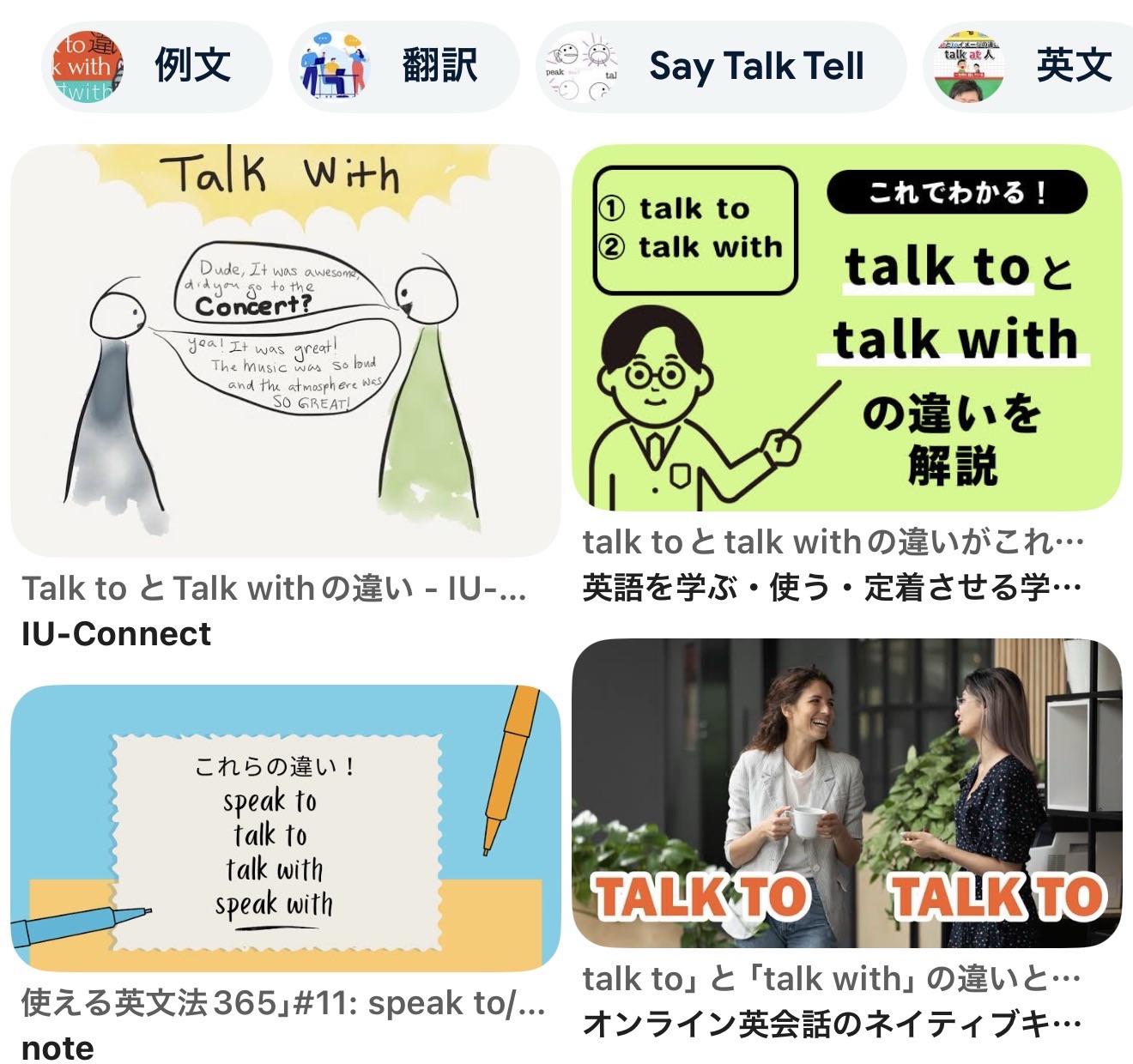
基礎英語2 26/1/26(月)L171(1)復習テスト,talk with
-語彙クイズ(10問)
Q1. 「入れ替えて使える」は?
A. subtle
B. interchangeable
C. casual
D. blurred
Q2. 「微妙な意味合い」を表す語は?
A. authority
B. nuance
C. verdict
D. tendency
Q3. 「力関係」は?
A. power dynamics
B. collaboration
C. equality
D. politeness
Q4. 「叱責」を意味する語は?
A. lecture
B. scolding
C. instruction
D. exchange
Q5. 「一方的な話」は?
A. exchange
B. collaboration
C. monologue
D. discussion
Q6. 「協力」を意味する語は?
A. authority
B. collaboration
C. tendency
D. verdict
Q7. 「あいまいな」は?
A. blurred
B. subtle
C. casual
D. default
Q8. 「威圧的な」は?
A. approachable
B. polite
C. bossy
D. friendly
Q9. 「標準の」は?
A. tendency
B. verdict
C. default
D. target
Q10. 「結論」は?
A. verdict
B. nuance
C. exchange
D. authority
-TOEIC形式問題(5問)
Q1. In most cases, “talk to” and “talk with” are ( ).
A. subtle
B. interchangeable
C. professional
D. bossy
Q2. “Talk to” traditionally implies a ( ) flow of information.
A. two-way
B. equal
C. one-way
D. collaborative
Q3. Managers often prefer “talk with” because it sounds more ( ).
A. aggressive
B. authoritative
C. approachable
D. casual
Q4. In British English, “talk to” is generally the ( ) choice.
A. avoided
B. informal
C. default
D. polite
Q5. The article concludes that learners should not worry too much about the final ( ).
A. instruction
B. verdict
C. nuance
D. choice
-読解問題(3問・英語)
Q1. What is the traditional difference between “talk to” and “talk with”?
Q2. Why do American managers often prefer “talk with” in business settings?
Q3. How does British English differ from American English in the use of these phrases?
...