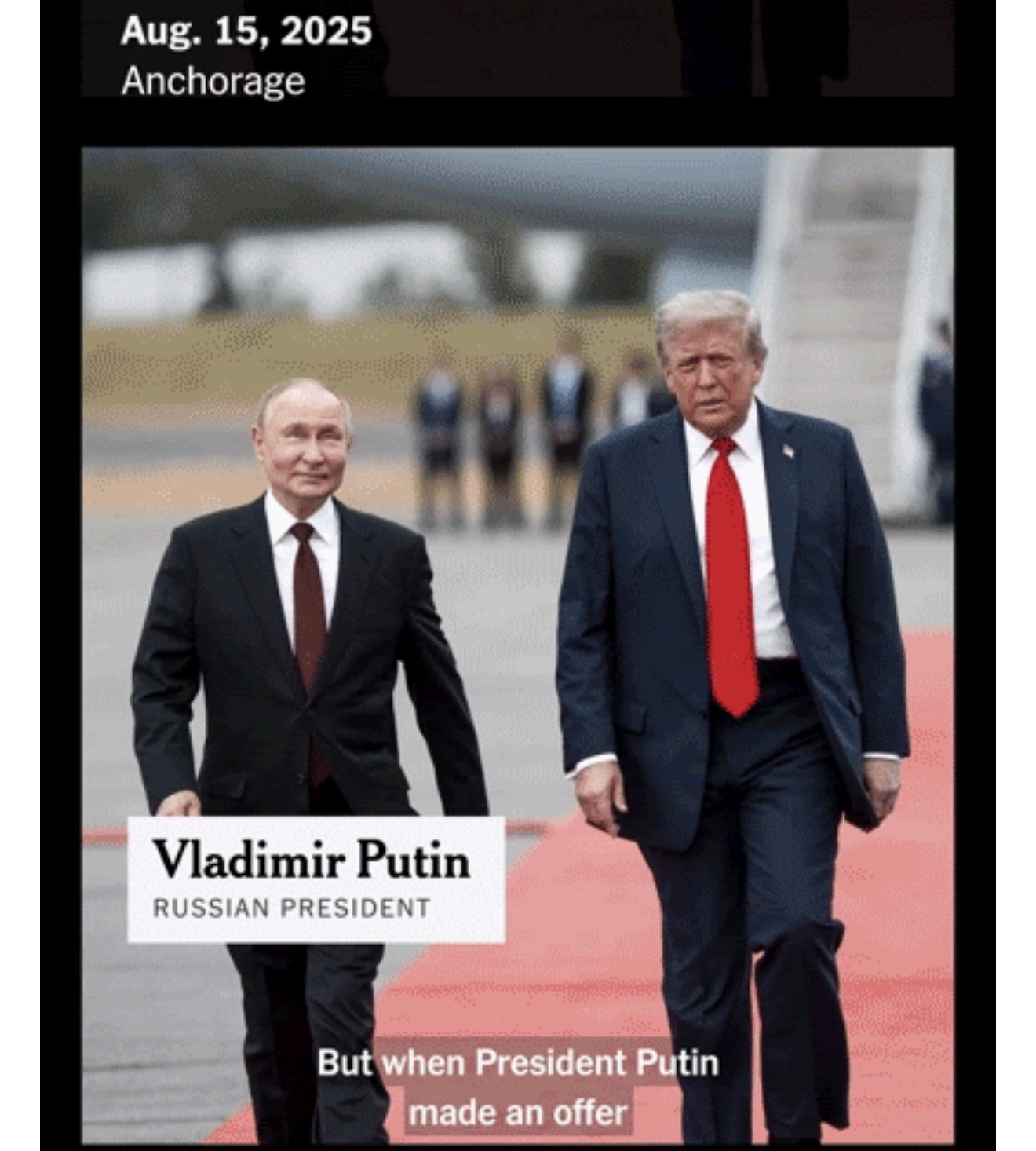
The New York Times:26/2/8 On the brink of a new arms race
Good morning, world! I grew up in Germany at the tail end of the Cold War. Fears of a nuclear attack were part of my childhood, along with record players and mullets. Since then, when I’ve thought about nuclear proliferation, it has mostly been in the context of countries like North Korea and Iran. I certainly did not see another nuclear arms race coming that included democracies.
But, as my colleagues David Sanger and William Broad write below, nukes are back, with a cascade of consequences for global security.
Also:
A big win for Japan’s leader
More fallout from the Epstein files
Head-spinning Olympic snowboarders
–
単語 / 熟語 発音記号 意味
on the brink of /ɑːn ðə brɪŋk əv/ ~の瀬戸際に
arms race /ɑːrmz reɪs/ 軍拡競争
grow up /ɡroʊ ʌp/ 成長する
at the tail end of /æt ðə teɪl end əv/ ~の終わり頃に
Cold War /ˌkoʊld ˈwɔːr/ 冷戦
nuclear attack /ˈnuːkliər əˈtæk/ 核攻撃
record player /ˈrekərd ˌpleɪər/ レコードプレーヤー
nuclear proliferation /ˈnuːkliər prəˌlɪfəˈreɪʃən/ 核拡散
in the context of /ɪn ðə ˈkɑːntekst əv/ ~という文脈で
certainly /ˈsɜːrtənli/ 確かに、決して~ない(強調)
arms race /ɑːrmz reɪs/ 軍拡競争
include /ɪnˈkluːd/ 含む
democracy /dɪˈmɑːkrəsi/ 民主主義国家
cascade /kæsˈkeɪd/ 連鎖、続発
consequence /ˈkɑːnsəkwens/ 結果、影響
global security /ˈɡloʊbəl sɪˈkjʊrəti/ 世界の安全保障
nuclear /ˈnuːkliər/ 核の
come (see coming) /kʌm/ 起こると予想する
colleague /ˈkɑːliːɡ/ 同僚
fallout /ˈfɔːlaʊt/ 余波、悪影響
おはようございます、世界の皆さん!
私は冷戦の終わり頃にドイツで育ちました。核攻撃への恐怖は、レコードプレーヤーやマレットヘアと同じように、私の子ども時代の一部でした。それ以来、核拡散について考えるときは、主に北朝鮮やイランのような国々という文脈で考えてきました。民主主義国家を含む新たな核軍拡競争が起こるとは、まったく予想していませんでした。
しかし、同僚のデービッド・サンガー氏とウィリアム・ブロード氏が以下で書いているように、核兵器は再び注目を集めており、世界の安全保障に連鎖的な影響をもたらしています。
また:
日本の指導者の大勝
エプスタイン文書のさらなる余波
目が回るようなオリンピックのスノーボーダーたち
-語彙クイズ(10問)
1. “on the brink of” の意味は?
a) ~の途中で
b) ~の瀬戸際に
c) ~の代わりに
d) ~の結果として
2. “arms race” の意味は?
a) 武器販売
b) 軍縮交渉
c) 軍拡競争
d) 武器輸出
3. “at the tail end of” の意味は?
a) ~の初めに
b) ~の最中に
c) ~の終わり頃に
d) ~の途中で
4. “nuclear proliferation” の意味は?
a) 核攻撃
b) 核拡散
c) 核実験
d) 核廃絶
5. “in the context of” の意味は?
a) ~と無関係に
b) ~の文脈で
c) ~を避けて
d) ~の代わりに
6. “democracy” の意味は?
a) 独裁国家
b) 王政
c) 民主主義
d) 植民地
7. “cascade” の意味は?
a) 停止
b) 連鎖
c) 戦争
d) 合意
8. “consequence” の意味は?
a) 原因
b) 結果
c) 目的
d) 条件
9. “global security” の意味は?
a) 国内安全保障
b) 個人の安全
c) 世界の安全保障
d) 情報保護
10. “certainly did not see … coming” の意味は?
a) 確実に予想した
b) 少し予想した
c) まったく予想しなかった
d) 部分的に理解した
-TOEIC形式問題(5問)
11. I grew up in Germany ______ the tail end of the Cold War.
a) in
b) at
c) on
d) by
12. Fears of a nuclear attack were part ______ my childhood.
a) from
b) with
c) of
d) at
13. It has mostly been ______ the context of North Korea and Iran.
a) at
b) in
c) for
d) with
14. I did not see another arms race ______ that included democracies.
a) come
b) coming
c) came
d) to come
15. Nukes are back, with a cascade ______ consequences.
a) at
b) in
c) of
d) for
-読解問題(英語)
16. Where did the writer grow up, and during which historical period?
17. How did the writer previously think about nuclear proliferation?
18. What do the writer’s colleagues suggest about nuclear weapons today?
-解答.語彙クイズ
1.b
2.c
3.c
4.b
5.b
6.c
7.b
8.b
9.c
10.c
TOEIC形式
11.b
12.c
13.b
14.b
15.c
読解問題
In Germany, at the tail end of the Cold War.
Mainly in the context of countries like North Korea and Iran.
That nuclear weapons are back and have cascading consequences for global security.
投稿者プロフィール

-
英語の文字起こしをしています。間違い等がありましたら、教えてください!
最近古文書の勉強もしています。英語も日本語も難しいですね。

コメント